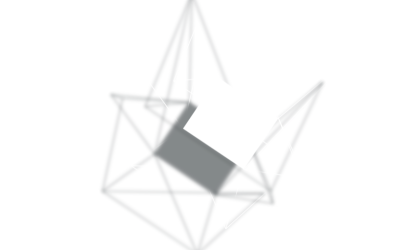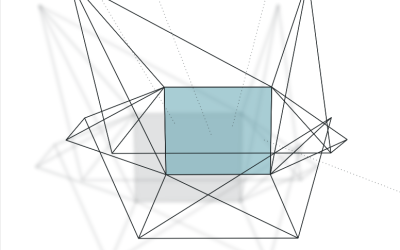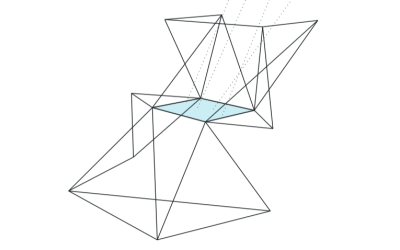
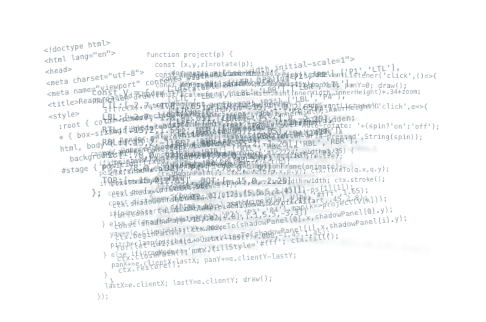
Here, the code is exposed. The individual instructions (lines of code) have no independent meaning; together, they generate the web-based graphic studies. They form the underlying framework through which the graphic works become visible. Yet the code is not merely a means of producing the work. Once exposed, it becomes part of its visual language, shaped by decisions, revisions and possibilities for display, much as marks and materials are in other media.
Not every work we encounter is finished. For artists who value presenting work that is “on the way to something,” this unfinished state can itself be a driving force. What that something might be is often left open, and may be constructed entirely by the viewer. The work remains open to change, not simply because it is unfinished, but because its possibilities continue to emerge through movement, interpretation and the viewer’s encounter with it.
Title: DGV – Study 4
Date: 2026
Dimensions: Variable, Screen-based
Media: Web HTML code
Edition: Unlimited